Top 10 Cam Straps Tips for Global Buyers to Consider
When sourcing cam straps, global buyers should approach with discernment. The cam strap market is projected to grow at a CAGR of 5.4%, as reported by Market Research Future. This indicates a rising demand in various industries, including outdoor activities and logistics. The right cam straps ensure safety, stability, and efficiency in securing loads.
Understanding the sheer variety of cam straps can be overwhelming. Many manufacturers offer different sizes, materials, and strengths. Buyers must analyze their specific needs and the conditions where these straps will be used. For instance, straps made of polyester are valued for their durability and resistance to abrasion, making them suitable for rugged outdoor use.
Quality is paramount. Subpar cam straps can lead to accidents, resulting in costly damages. Nevertheless, some buyers may overlook the importance of quality, opting for cheaper alternatives. Such decisions can lead to future regrets. Reflecting on these factors is crucial for making informed choices, ensuring both safety and satisfaction in the long run.
Understanding Different Types of Cam Straps Available in the Market
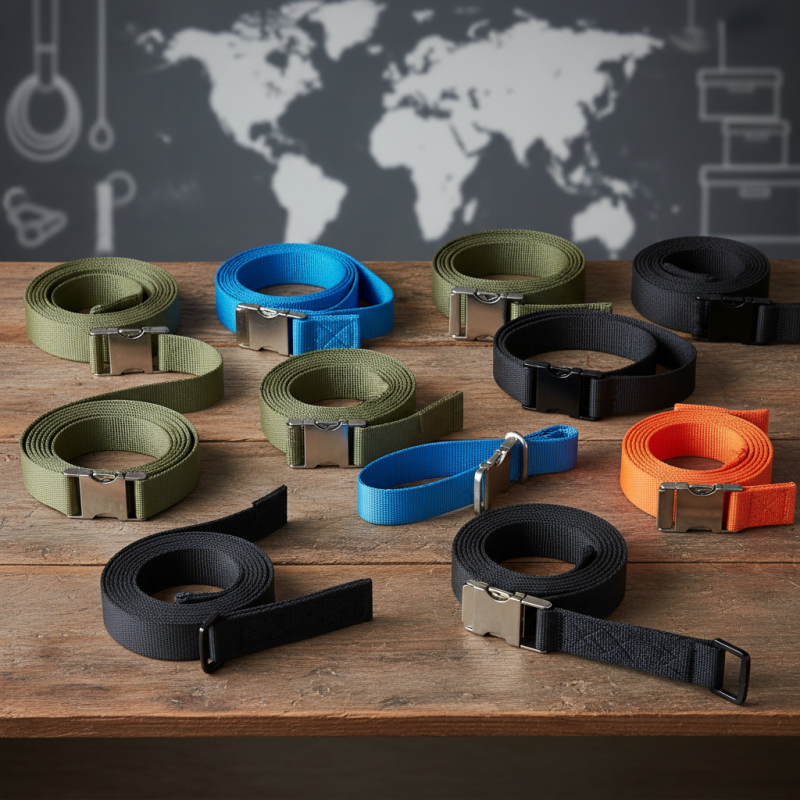
Cam straps are essential tools for securing cargo and ensuring safe transportation. Various types cater to different needs. Understanding this variety helps buyers make informed choices.
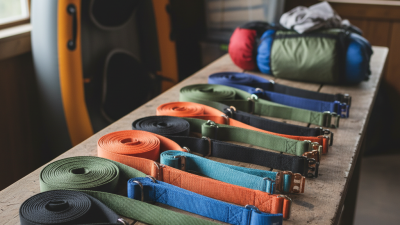
One common type is the flat cam strap. These straps are made of durable polyester. They are lightweight and can withstand significant tension. Users appreciate their smooth surface, which reduces wear on cargo. Another type is the ratchet strap. This style features a ratcheting mechanism for added security. It’s ideal for heavy loads where extra force is necessary.
Some buyers may overlook the importance of strap length. A too-short strap can compromise safety, while an overly long one can become unwieldy. It's also crucial to check the breaking strength rating. Using a strap beyond its limit can lead to failure. Always consider your specific application and load requirements before making a purchase. Every detail matters when it comes to safety and reliability.
Top 10 Cam Straps Tips for Global Buyers
Key Features to Look for When Selecting Quality Cam Straps
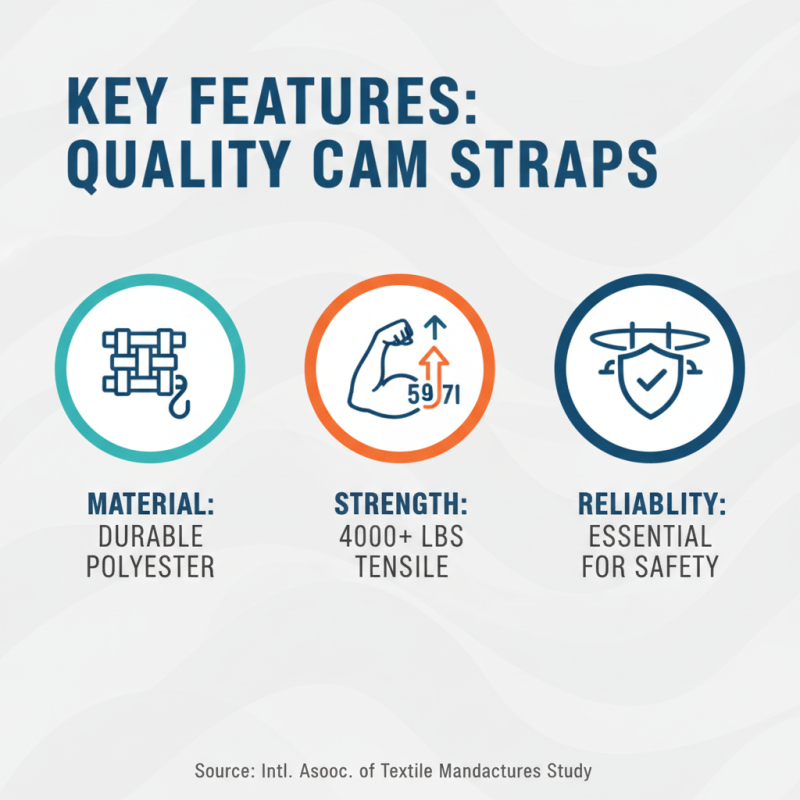
When selecting quality cam straps, a few key features stand out. First, consider the material. High-quality cam straps are often made from durable polyester, which provides strength and resistance to wear. A study by the International Association of Textile Manufacturers suggests that polyester straps have a tensile strength that can exceed 4,000 pounds. This durability is essential for safety and reliability in various applications.
Next, check the width of the strap. Wider straps distribute weight more evenly and reduce the risk of breakage. For instance, 1-inch straps are common for light-duty tasks, while 2-inch versions are better for heavy loads. Additionally, the cam buckle design is crucial. Look for a secure mechanism that keeps the strap tightly in place. Reports indicate that improper buckle design can lead to slippage and failures, which can diminish effectiveness.
Another aspect to consider is UV resistance. Straps exposed to sunlight can degrade quickly. According to a recent environmental study, UV-resistant coatings can extend the functional lifespan of cam straps significantly. Consumers should be cautious when choosing straps for outdoor use. It's vital to reflect on these features, as overlooking them can lead to unexpected challenges.
Comparing Material Durability: Nylon vs. Polyester Cam Straps
When choosing cam straps, material durability is a key consideration. Nylon and polyester are popular options, each with distinct properties. Nylon is renowned for its strength and elasticity, making it an excellent choice for heavy-duty applications. It withstands tension well, ideal for securing large loads. However, nylon can absorb water, which may weaken its integrity over time.
Polyester, on the other hand, is less elastic but highly resistant to UV rays and moisture. This makes it suitable for outdoor use, where exposure to the elements is a concern. Polyester does not stretch as much as nylon, which can lead to less slippage during transport. Buyers should weigh these characteristics based on their specific needs.
Tip: Always test the strap under load before relying on it. Another tip is to inspect the straps regularly for wear and tear. Understand that even high-quality materials can degrade. Consider your environment when making a choice, as this significantly impacts durability. The right material can make all the difference in safe transport.
Best Practices for Ensuring Safety and Reliability in Cam Strap Use
When selecting cam straps, safety and reliability are crucial. Poor quality straps can lead to accidents, resulting in injuries or damage. Therefore, it’s essential to evaluate your options carefully.
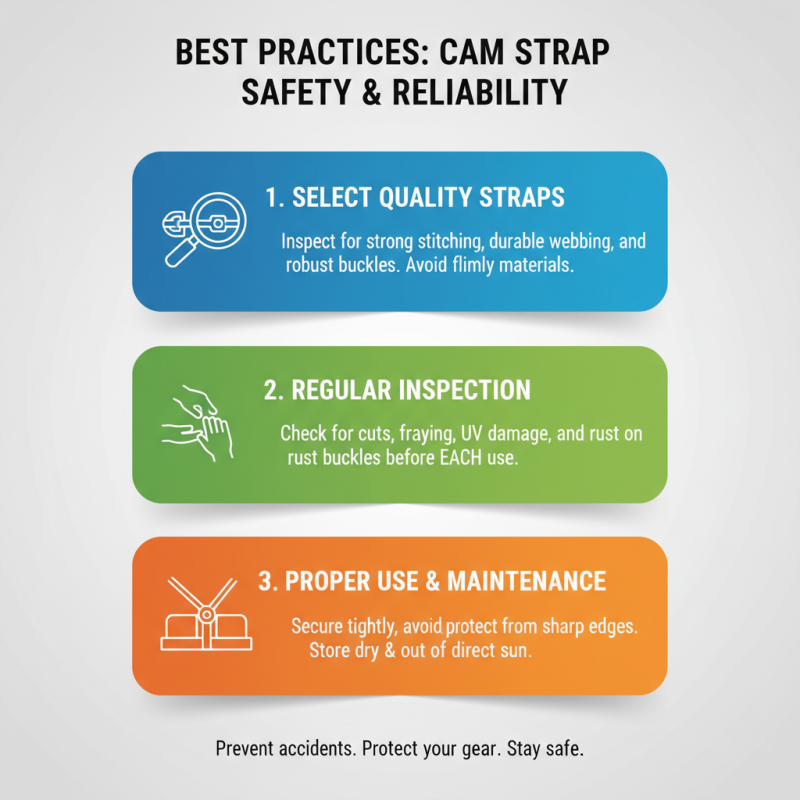
Tip 1: Always inspect your cam straps before use. Look for signs of wear and tear. Frayed edges or damaged buckles can compromise strength. A quick visual check can save you from potential hazards.
Tip 2: Understand the weight limits of your straps. Exceeding these limits can lead to failure during transport. Regularly review the specifications provided by manufacturers, even if they are trusted. This knowledge can ensure that your load is secure.
Tip 3: Practice proper storage techniques to extend the lifespan of your cam straps. Avoid exposure to direct sunlight or extreme temperatures, as these can weaken the material over time. It’s not just about usage; how you care for them matters greatly.
While these tips promote safety and reliability, always remain vigilant. You can never be too careful when it comes to securing loads. Regularly update your knowledge and check for advancements in cam strap technology.
Tips for Proper Storage and Maintenance of Cam Straps
Storing and maintaining cam straps properly is crucial for their longevity and performance. A dry, cool environment is ideal for storage. Avoid exposing straps to direct sunlight or extreme heat. Prolonged exposure to these elements can weaken the material, leading to potential failures.
Regular maintenance is equally important. Check your cam straps for signs of wear, such as fraying or fading. A quick inspection before each use can prevent mishaps during critical moments. If you notice any damage, consider replacing the strap. It’s better to be safe than sorry.
Cleaning cam straps is simple but often overlooked. Use mild soap and water to remove dirt and debris. Rinse thoroughly and hang to dry, avoiding direct heat sources. Remember, neglecting cleaning can lead to degradation over time. Maintaining cam straps ensures reliability and safety.
Top 10 Cam Straps Tips for Global Buyers to Consider
| Tip No. |
Tip |
Details |
Frequency of Maintenance |
| 1 |
Inspect Regularly |
Check for wear, tears, or fraying in the strap. |
Monthly |
| 2 |
Store Properly |
Keep in a cool, dry place to prevent degradation. |
Always |
| 3 |
Avoid Overloading |
Do not exceed the weight limit specified by the manufacturer. |
Before each use |
| 4 |
Clean Regularly |
Wash with mild soap and water to avoid dirt buildup. |
Monthly |
| 5 |
Avoid Exposure to Sunlight |
Prolonged sun exposure can weaken the material. |
Always |
| 6 |
Check Buckles |
Ensure that all buckles are functioning properly. |
Every use |
| 7 |
Use Proper Technique |
Follow guidelines for tightening and securing. |
Always |
| 8 |
Replace When Worn |
Change straps if they show signs of significant wear. |
As needed |
| 9 |
Avoid Sharp Objects |
Keep away from items that could cut or damage straps. |
Always |
| 10 |
Use for Intended Purpose |
Do not use straps for unintended or unsafe applications. |
Always |