How to Choose the Best Ratchet Straps for Your Needs?
Choosing the right ratchet straps can be daunting. With so many options, it’s essential to understand your needs. According to industry expert, Bob Hawkins, “Not all ratchet straps are created equal; quality matters.” This statement underscores the importance of selecting straps that match your specific requirements.
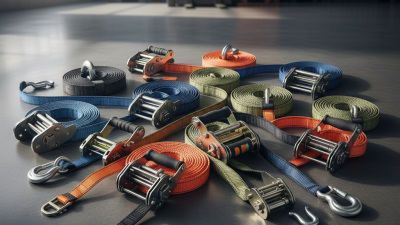
Ratchet straps are widely used for securing loads during transportation. Their effectiveness relies on their construction and strength. Choosing the correct length, width, and material can significantly impact safety.
Consider the weight capacity and the type of cargo. Some straps work better for heavier loads, while others are suited for lighter items. Reflecting on your experience can help in making the right choice. It’s important to not rush this decision. Overlooking crucial details may lead to safety risks. High-quality ratchet straps can prevent accidents and property damage. Evaluating your options carefully can lead to better outcomes.
Understanding the Basics of Ratchet Straps and Their Components
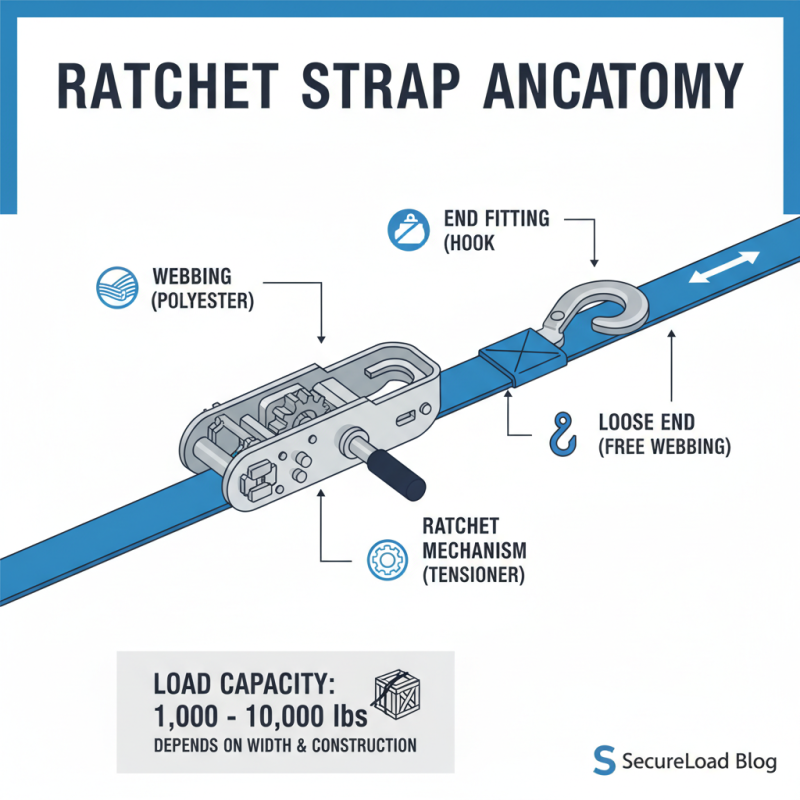
Ratchet straps are essential tools for securing loads. Understanding their components will help you choose the right ones for your needs. A typical ratchet strap consists of several parts: the webbing, ratchet mechanism, end fittings, and the loose end. The webbing material is usually made of polyester, which offers high strength and minimal stretch. According to industry data, ratchet straps can handle loads ranging from 1,000 to 10,000 pounds, depending on their width and construction.
When selecting ratchet straps, pay attention to the breaking strength and working load limit. These specifications tell you how much weight the strap can safely hold. Look for straps with a secure ratchet mechanism, as this ensures a reliable grip. Quality end fittings, such as hooks or s-hooks, allow for efficient attachment. However, improper use of straps may lead to accidents or damage.
Tip: Always inspect your ratchet straps before each use. Look for signs of wear, fraying, or damage. These factors can significantly affect their performance. If you notice any issues, it’s better to replace the strap than to risk safety. Remember, the right ratchet strap not only secures your load but also provides peace of mind during transportation.
Identifying Your Specific Needs for Ratchet Strap Usage
When selecting the right ratchet straps, your specific needs play a crucial role. Different applications require different strap features. For instance, the load capacity, length, and material of the strap can significantly impact performance. According to a report by the American National Standards Institute (ANSI), using the right type of strap can
prevent up to 70% of accidental cargo damage during transport.
Consider the weight and size of the items you intend to secure. For heavy loads, choose straps with a higher break strength. Data from logistics studies indicate that a substantial 30% of shipments are improperly secured. This not only poses safety risks but can increase costs due to damages.
Additionally, environmental factors can affect strap durability. For instance, straps exposed to UV rays or extreme temperatures may degrade faster. A study from the International Cargo Handling Coordination Association (ICHCA) highlighted that about 40% of straps fail due to environmental wear. This emphasizes the need for selecting the right materials based on your usage context. Understanding these nuances can enhance your choice and ultimately safeguard your cargo.
Evaluating the Strength and Durability of Different Ratchet Straps
When evaluating ratchet straps, strength and durability are paramount. According to industry reports, the minimum breaking strength (MBS) of ratchet straps can significantly vary. Many commercial-grade straps have an MBS ranging from 1,500 to over 10,000 pounds, depending on material and design. Materials like polyester dominate the market due to their excellent resistance to abrasion and UV damage. Their lightweight nature does not compromise safety.
Durability also hinges on factors like weather resistance and usage frequency. Some straps perform well under extreme weather conditions, while others may fray or degrade quickly. A study from the Trucking Industry Association noted that improperly maintained straps lose up to 30% of their strength over time. Inspecting for wear signs regularly is crucial, yet many users overlook this step.
Users should consider the intended load type. Some ratchet straps are more suited for static loads, while others excel in securing dynamic loads. Understanding these distinctions can prevent costly mistakes. Recognizing that not all straps are equal helps in making informed choices. Beware of overloading straps, as this leads to potential failure risks. Each choice should reflect a balance between strength requirements and intended use.
Comparing Ratchet Strap Sizes and Lengths for Your Application
Choosing the right size and length of ratchet straps is crucial for safe transportation. Studies show that improper strap sizes can lead to cargo damage. It’s essential to match the strap size to the load type and weight. For instance, a common size is 1 inch, which is ideal for lighter items, while 2-inch straps are better for heavier loads.
The length of your ratchet straps also matters. A typical range is between 10 to 30 feet. A longer strap offers more flexibility, but excess length can lead to tangling. For standard pallets, a 15-foot strap works well. However, larger containers may require 20-foot lengths to secure the load effectively. Data indicates that around 30% of load failures stem from improper strap length.
When assessing your needs, consider the weight capacity. Straps come with different ratings, typically ranging from 1,000 to 5,000 pounds. It’s wise to check the manufacturer’s specifications. A miscalculation here can lead to dangerous situations. Users should remember that regular inspections can reveal wear and tear, ensuring that straps remain reliable. Knowing which lengths and sizes to use can save you from costly mistakes and enhance safety during transport.
How to Choose the Best Ratchet Straps for Your Needs?
| Strap Length |
Strap Width |
Working Load Limit (WLL) |
Material |
Typical Use |
| 10 feet |
1 inch |
1,000 lbs |
Polyester |
Lightweight cargo |
| 12 feet |
2 inches |
3,300 lbs |
Polyester |
Medium duty hauling |
| 15 feet |
2 inches |
5,000 lbs |
Polyester |
Heavy-duty hauling |
| 20 feet |
3 inches |
10,000 lbs |
Polyester |
Extra heavy-duty applications |
| 25 feet |
2 inches |
3,500 lbs |
Polyester |
Larger cargo transport |
Safety Considerations and Best Practices for Using Ratchet Straps
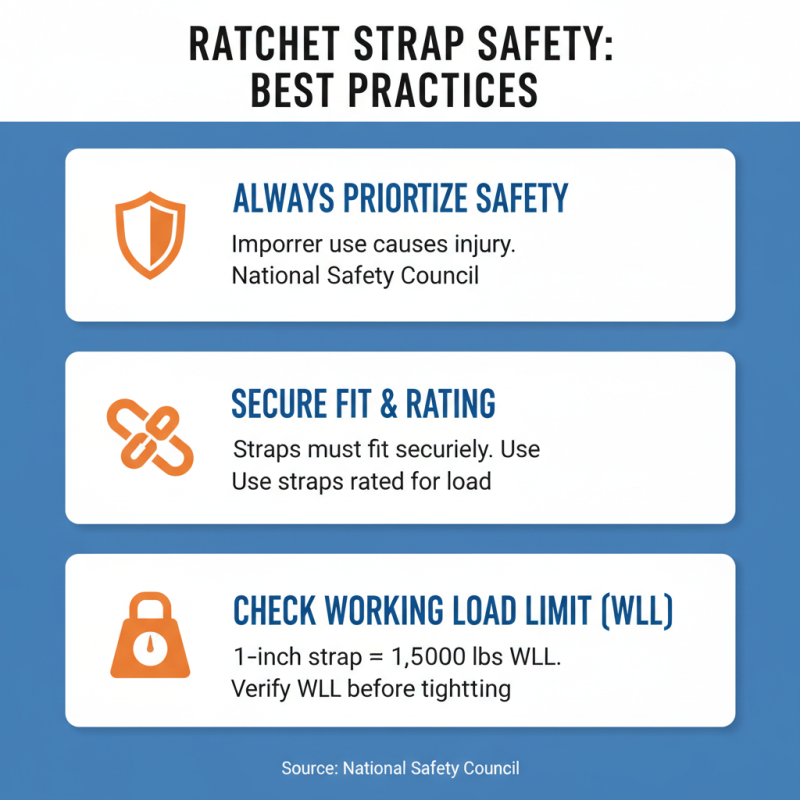
When using ratchet straps, safety should always come first. According to the National Safety Council, improper use can lead to serious injuries. Straps must fit securely and should be rated for the load being carried. Using straps with the appropriate working load limit (WLL) is crucial. For instance, a 1-inch ratchet strap typically has a WLL of about 1,500 pounds. Be sure to check these ratings before tightening.
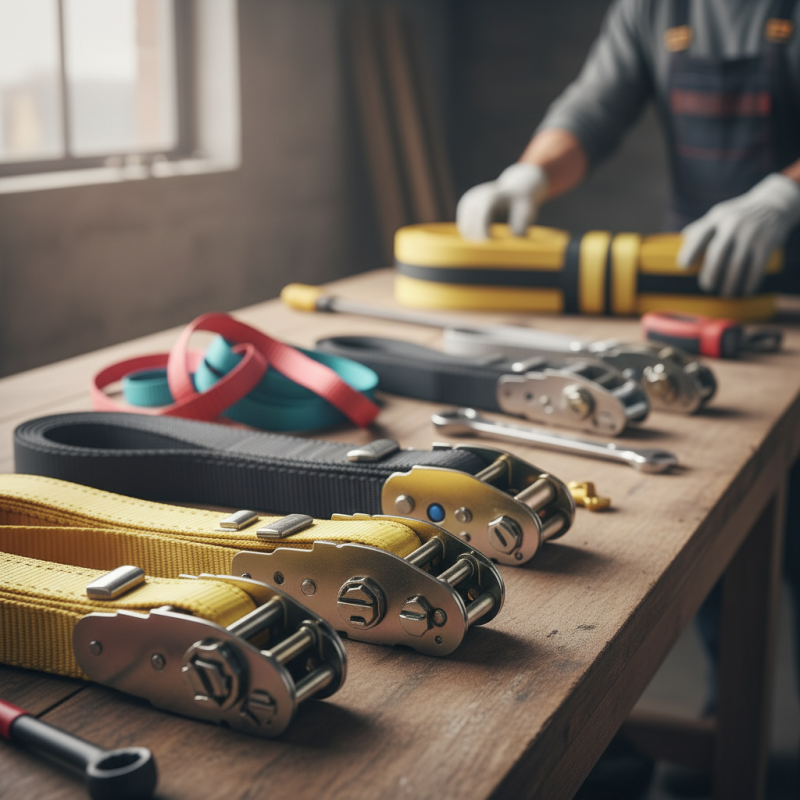
Always inspect the straps prior to use. Look for signs of wear, such as fraying or damaged buckles. The Occupational Safety and Health Administration (OSHA) emphasizes the importance of regular inspections. Failing to identify weakened straps can lead to accidents. Consider the environment too; exposure to extreme temperatures or chemicals can degrade strap performance.
Proper techniques reduce risks. Ensure there is no slack in the strap, as a loose strap can lead to shifting loads during transport. Use edge protectors to prevent wear on the strap from sharp edges. Remember, over-tightening a ratchet strap can be just as dangerous. It can lead to a sudden release of tension, causing injury or damage. Keep these practices in mind for safer and more effective use of ratchet straps.