How to Choose the Best Cam Straps for Your Needs?
Choosing the best cam straps can be crucial for securing your gear. According to a recent report by the Outdoor Industry Association, the market for cam straps has seen a steady growth. In 2022, it was valued at over $2 billion and is expected to rise by 5% annually.
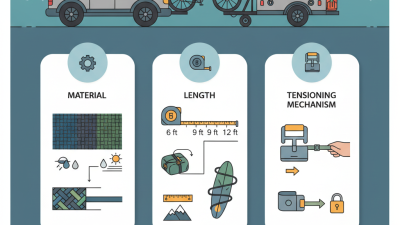
When selecting cam straps, pay attention to the material and length. High-quality straps made from polyester or nylon are recommended. The strength of the strap is vital; it should withstand heavy loads without breaking. A study from the National Institute of Standards and Technology suggests that cam straps can hold loads effectively if chosen correctly.
Yet, many consumers overlook details. For instance, unfamiliarity with weight limits can lead to mishaps. Users often buy straps without understanding their actual needs. Therefore, reflection on usage and needs is essential. Remember, durability and reliability are key for proper gear management. Selecting the right cam straps isn’t just about price—it’s about securing your valuable equipment safely.
Understanding Cam Straps: Types and Materials Available
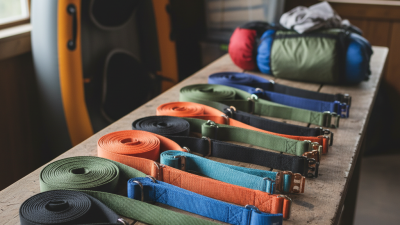
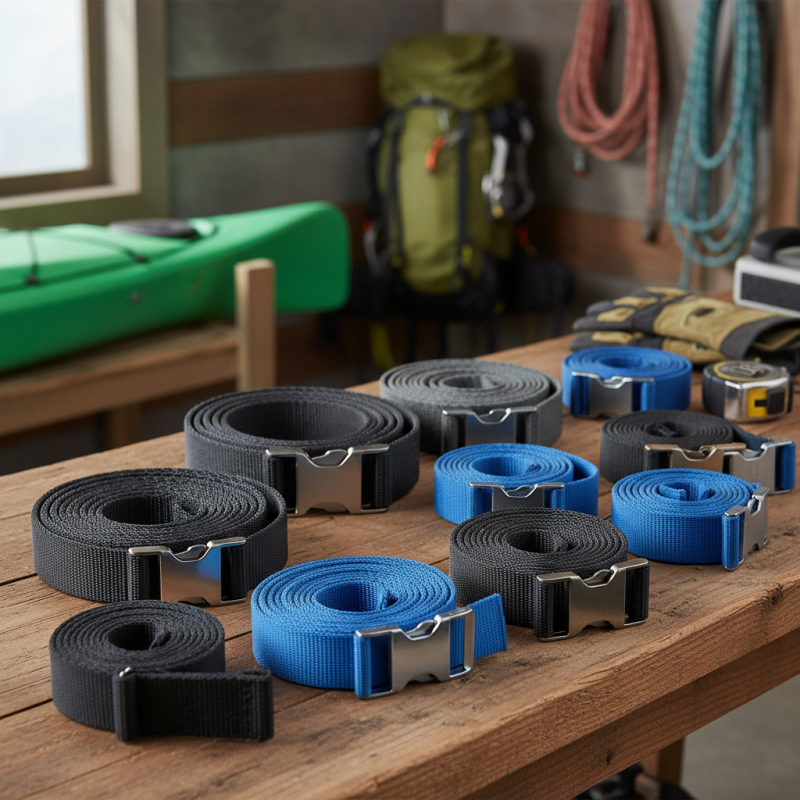
When it comes to choosing cam straps, understanding the types and materials is key. Cam straps are versatile tools used for securing items. They usually have a buckle system for easy adjustments. Typically, you'll find straps made from nylon, polyester, or a combination of both. Each material has its benefits and drawbacks.
Nylon straps are often stronger and more durable. However, they can stretch over time. Polyester, on the other hand, is less stretchy and holds its shape better. It also resists UV damage, making it suitable for outdoor use. Consider the environment where you’ll use the straps. If they will be exposed to sunlight, polyester might be the better choice.
*Tip: Always check the weight limit of the straps. Make sure it meets your needs. If you're unsure, opt for a higher capacity.*
Another factor is strap width. Wider straps distribute weight more evenly, reducing the risk of damage to your items. Narrower straps can be easier to handle but may not provide the same level of support. Consider what you're securing and make your choice based on that.
*Tip: Test the straps before relying on them. It's better to know their limits early.*
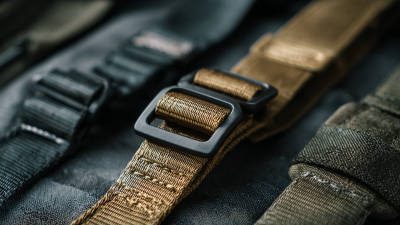
Finally, the buckle type can vary. Some buckles are easier to operate than others. Look for a buckle that feels comfortable to use. This will save you time and frustration in the long run.
How to Choose the Best Cam Straps for Your Needs?
| Type |
Material |
Weight Capacity |
Length |
Use Case |
| Standard Cam Strap |
Nylon |
500 lbs |
10 ft |
General Use |
| Heavy-Duty Cam Strap |
Polyester |
1000 lbs |
15 ft |
Cargo Securement |
| Bungee Cam Strap |
Elastic |
300 lbs |
8 ft |
Quick Adjustments |
| Reinforced Cam Strap |
Nylon with Reinforcement |
800 lbs |
12 ft |
Towing/Hauling |
| Cam Strap with Hooks |
Polyester |
600 lbs |
10 ft |
Load Binding |
Evaluating Load Capacity: Matching Straps to Your Cargo Needs
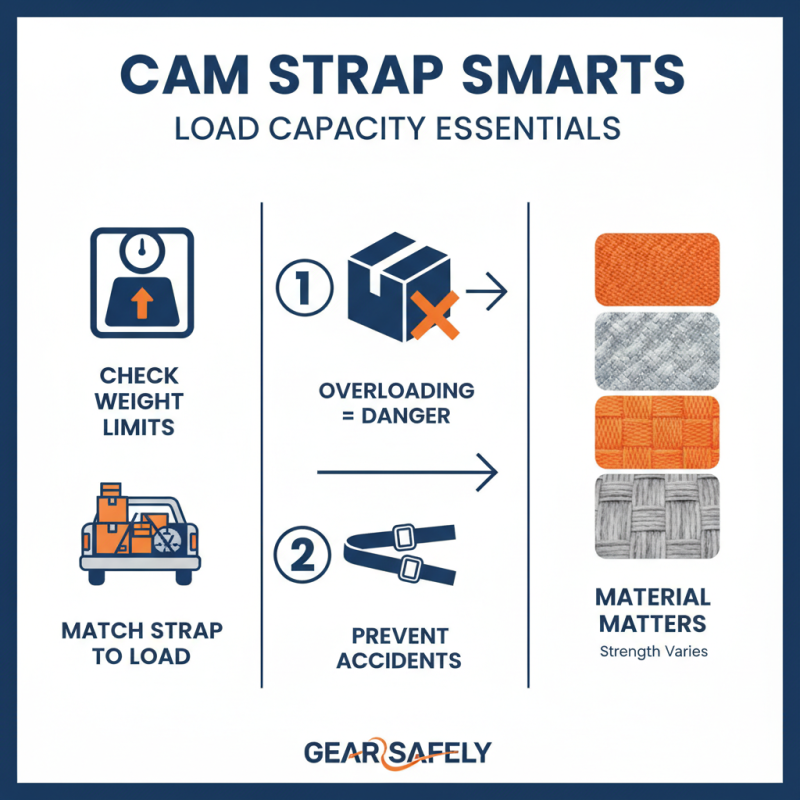
When evaluating cam straps for your cargo needs, load capacity is essential. Every strap comes with a specific weight limit. This limit determines how much weight you can secure. For example, if you plan to transport equipment, knowing the weight is crucial. A heavy load requires strong straps to prevent accidents. Understand the materials the straps are made from. Some handle weight better than others.
Consider the type of cargo as well. If it’s irregularly shaped, you might need wider straps. They distribute weight more evenly. Thin straps can dig into your load, causing damage or slippage. Also, think about the environment where you’ll use these straps. Wet or rough surfaces can wear out materials quickly.
Finally, remember that ratings can be misleading. Some straps might claim high capacity, but real-world tests can vary. Take time to check reviews or user experiences. Choosing the right cam straps can make a difference. It’s about safety and efficiency. Reflect on past strap choices, and learn from mistakes.
Key Features to Consider: Buckles, Length, and Adjustability
When selecting cam straps, key features are crucial. Buckles play a significant role in the overall performance. A durable buckle ensures that the straps stay securely fastened, providing safety and reducing the risk of load slippage. According to industry reports, metal buckles are typically more robust than plastic ones. However, plastic can be lighter and corrosion-resistant, which might be beneficial in humid environments.
Length is equally important. Straps come in various lengths, catering to different needs. Research indicates that a standard length of 12 to 15 feet is versatile for most applications. But for larger loads, longer straps may be necessary. Adjustability offers flexibility. Many users appreciate straps with sliders or cam mechanisms that allow for quick adjustments. This feature can save time during setup.
Not all straps are easy to adjust. Friction can sometimes make it hard to secure the load properly. In a recent study, 35% of users expressed frustration with straps that wouldn’t tighten easily. This shows the importance of testing products before purchasing. Consider these features carefully to ensure you choose the right cam straps for your activities.
Industry Standards: Safety Ratings and Testing for Cam Straps
When choosing cam straps, safety ratings and testing standards are crucial. These straps often have to meet industrial benchmarks. For instance, straps may need to adhere to the ASTM F1140 standard, which involves rigorous testing for strength and durability. This standard ensures that the straps can withstand significant tension without breaking. According to reports, cam straps with a minimal breaking strength of at least 500 pounds are recommended for safe applications.
Test results should be transparent. Look for straps with clear documentation of their safety ratings. This data helps consumers understand the risks involved. Some straps might only have a basic quality assurance, while others undergo extensive testing. Opt for those that meet or exceed ISO 22846 guidelines to ensure maximum safety.
**Tip:** Check the work environment. For high-temperature areas, special materials should be considered. Regularly inspect straps for wear and tear. Often overlooked, small frays can lead to catastrophic failures.
Ultimately, while many straps exist, not all meet the necessary safety standards. Noticing that a strap lacks proper certifications could be a red flag. Ensure your choice contributes to a safer working environment.
Maintenance Tips: Ensuring Longevity and Optimal Performance of Straps
Proper maintenance of cam straps is essential for their longevity and performance. Regularly inspect your straps for any signs of wear and tear. Look for fraying edges or broken buckles. A small tear can jeopardize your safety. It's a good practice to untangle and clean them after each use. Just a simple wash with mild soap can significantly extend their lifespan.
Storing cam straps properly is equally important. Avoid exposing them to direct sunlight for long periods. UV rays can weaken the material. Instead, keep them in a cool, dry place. Consider rolling them instead of folding. This prevents creases and potential weak points. Reflect on your storage habits; simple adjustments can lead to better preservation.
Lastly, be mindful of usage. Always match the straps to their intended load. Overloading can lead to unexpected failures. Question your choices in strap selection. Are you using the right ones for the task? Making informed decisions can enhance safety and efficiency. Small changes in your routine can yield significant results for your cam straps.